We’ve already seen the many ways that 40 foot shipping containers can be repurposed or recycled for uses beyond the shipping industry. Container pop up shops are sweeping the country, as are mobile office containers, and even tiny homes made out of used storage containers. But a new startup in Paris, France, has a fresh idea for old containers: growing farm-fresh produce, without the farm.
The company, Agricool, was founded last year by Gonzague Gru and Guillaume  Fourdinier, two sons of farmers who grew up in the French countryside. When they moved to Paris as adults, they both found it difficult to find the kind of straight-from-the-soil produce they’d grown up with as farm kids. So they started thinking about alternative solutions for farming in urban centers.
“To get good fruits and vegetables in town, we need to farm in town,” they say. “That’s the only solution. The problem is that we lack space. Our roofs and balconies aren’t sufficient to feed millions of city dwellers with fresh and local produce.”
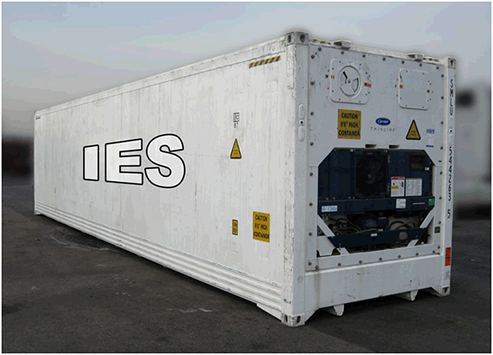
So they came up with the idea to grow hydroponic plants in climate-controlled containers, or what they call “cooltainers.” Each of the 40 foot shipping containers are said to be capable of producing the same amount of food as could be grown on an acre of farmland, but with 90% less water, no need for pesticides, and in a fraction of the space.
Container farming could be eco-friendly in another way, too. Every shipping container recycled is equivalent to 3,500 kg of steel being saved from scrap. It also saves on the cost and usage of more traditional building materials such as bricks, mortar, or wood that might otherwise be required to create such structures.
Agricool has so far raised $4.3 million in funding and is currently working on the first test crop: strawberries. The company hopes to produce 91 tons of fruit in 2017 using 75 shipping containers for growing. Imagine being able to grow, pick, and eat your own food — all without leaving the city. This one cool idea for shipping containers might just change the future of food and farming as we know it.
Steel cargo containers are fast gaining popularity as an affordable, convenient, and eco-friendly way to live, work, and play. From ‘tiny homes’ to container pop up shops, storage container modifications can be made to suit virtually any need.
But perhaps one of the most popular new uses for shipping containers — besides their original purpose of transportation, of course — is for office space. While there are many creative ways to put a mobile office into action, there are a number of questions you must consider before you buy an office container for sale. This guide will help you make sure you choose the right container for all your working needs.
Question 1: How Much Space Do You Really Need?
If you plan to use a storage container as extra office space, you need to account for the number of workers you have as well as the square footage of your space. Today’s average workstation is approximately 39 square feet per individual (as opposed to 80 square feet back in 1992). A standard twenty-foot equivalent (TEU) shipping container houses approximately 144 square feet, while 40 foot shipping containers measure around 300 square feet of floor space.
Question 2: Do You Need a Permit?
Some people purchase an office container for sale only as a temporary workstation, while others use them as permanent fixtures. Either way, you’ll want to check zoning regulations in your area for setting up a structure as an office. Even if it’s only there for a short while, you may need a permit to legally set up shop.
Question 3: What’s the Condition of the Unit?
It’s important to check the condition of any office container for sale before you buy. Steel cargo containers are built to last, and buying used can be a great way to save. However, you’ll want to check for any signs of wear, damage, or rust that might affect your ability to use it as an office space, depending on your location, needs, and length of use.
Building your future office out of a used shipping container is a great way to think ‘outside the box’ when it comes to work needs. Not only will you save money and help save the environment by contributing to steel recycling projects, you’ll also get the chance to show off your creative side with a unique office space that truly reflects your business flair.
Your construction site might be temporary, but that shouldn’t mean that your office space has to fit inside the bed of a pickup truck. Renting out mobile office containers refurbished from used shipping containers can be a godsend for any construction job.
Why use shipping or storage containers instead of trailers? Simply put, they’re readily available. Of the 17 million shipping containers in the world, only about 6 million are actually in use. That leaves 11 million vacant steel shipping containers that could be converted to offices, homes, pop up shops, or portable offices.
In addition, your mobile office containers can improve work site productivity, morale, and professionalism. Here are just a few of the benefits you’ll discover from working out of portable office containers:
- Secure storage space. Keep all of your documents in a neat and safe space where they’ll be well protected from the elements. An organized file system can also make finding those documents much easier when you need them.
- Better meetings. When you need to talk with clients or oversight managers about the progress of your work, you’ll want to put your most professional foot forward. Mobile office containers give you a “real office” feel that you simply won’t get from talking inside a vehicle or trying to find a quiet spot on site.
- Work efficiency. Rather than having to commute from a permanent office location to the work site — perhaps multiple times a day — you can keep your mobile office containers directly in the vicinity. This can be crucial when you need to switch back and forth between management and execution on any given day.
- Boost morale. There’s nothing like a quick moment of respite from a hard work day. Employees will appreciate a place to store belongings, or the ability to charge a phone throughout the day. This can add to your workplace environment, making the site a more pleasant place to spend your waking hours.No matter the job, a mobile office is a must. Get what you need with some clever and custom-fitted storage container modifications to make the most of your work site.
It’s becoming more and more popular for regular people to buy used storage containers, which can be easily repurposed for a number of uses: a mobile office, a container pop up shop, a classroom, even a new tiny home.
But not all used steel storage containers for sale are created equally. These containers can take quite a bit of wear and tear on cross-ocean voyages, after all. To make sure that you’re getting the most out of your money and making a sound investment for the long haul, take these points into consideration while you shop for your next container.
Size
Storage containers come in a variety of sizes, but the most common are either 20 foot or 40 foot shipping containers which can be standard height or 40 foot high cubes. A standard Twenty Foot Equivalent (TEU) unit can hold about 3,500 shoe boxes, while a high-cube 40-footer can hold over 8,000.
Exterior
It’s important to do a thorough inspection, inside and out, of every container you consider. Start with the exterior: What is the condition of the paint? Are there noticeable dings or dents? Is there visible corrosion or rust?
Shipping containers are built to withstand tough transportation conditions, but they vary in their usage. A good condition container that’s given regular maintenance could last up to 20 years.
Interior
Next, take a look inside, if possible. Inspect the floors, walls, and ceilings for any damage or leaks. A great way to do this is to go during the daytime and shut all the doors. If you can see light shining through, it’s a sure sign of corrosion and you should probably keep looking.
 Another thing you should immediately notice upon walking inside is the smell. There’s no telling what old containers were once used to ship, and if the inside has a strong odor it might be difficult to purge.
It’s not only economical to buy used storage containers for an office, home, store, or other purpose. It’s also environmentally friendly. Every recycled shipping container saves 3,500kg worth of steel and also saves the additional cost of traditional building materials like wood, bricks, and mortar.
Buying a used shipping container can be a great investment, but only if you know what to look for. Be sure to inspect your potential purchase from top to bottom, inside and out, to make the best decision for your needs.
America’s very first Hello Kitty Cafe opened its doors over the weekend in Irvine, CA, to long lines of eager fans. People began queuing for the shop, which serves sweets, teas, and coffee drinks, at 7:30 a.m. in anticipation of the 11 a.m. opening time. And by 2 p.m. that first day, all of the shop’s offerings were sold out.
“Our pastries are baked every morning, and we bake enough for 500 to 600 people. So once we’re sold out, we’re sold out,” Allan Tea, co-owner of the Hello Kitty Cafe, told USA Today.
The cafe is actually a container pop up shop, situated just outside the Irvine Spectrum Center mall. With Hello Kitty’s signature bright pink hues and cutesy cat faces, it’s hard not to spot the steel cargo container-turned-cafe from a mile away. However, it might be easy to overlook the amazing storage container modifications the builders have put in place to make it functional for such a high-volume food service business.
The container pop up shop has an open, galley-style front counter for a smooth order-to-food-delivery process. There’s also ample seating right outside the shop under a shaded canopy. The Hello Kitty Cafe is a great example of how steel shipping containers can be repurposed for restaurant uses — and why the container market is projected to grow another 5.3% by 2017.
It goes to show that containers aren’t just for shipping, though they do account for 90% of the world’s trade transportation, with approximately 20 million shipping containers in transit at any given moment. But cargo container modifications can turn new or used containers into restaurants, offices, or even living spaces that work more economically than their brick-and-mortar equivalents.
The Hello Kitty Cafe is only slated to stay in Irvine for a year, though the container pop up shop’s popularity might mean it will stick around a little longer. Doubtless it will do a brisk business serving treats to the cult following of Hello Kitty fans, though anyone with a sweet tooth will still get a kick out of it. So if you’re in the mood for something pink, sugary and unique, look no further than Irvine.
Page 30 of 34«...1020...293031...»

 Fourdinier, two sons of farmers who grew up in the French countryside. When they moved to Paris as adults, they both found it difficult to find the kind of straight-from-the-soil produce they’d grown up with as farm kids. So they started thinking about alternative solutions for farming in urban centers.
